
April 4, 2026
Flood Prevention: Why Waterproofing and Catch Basin Maintenance Go Hand in Hand
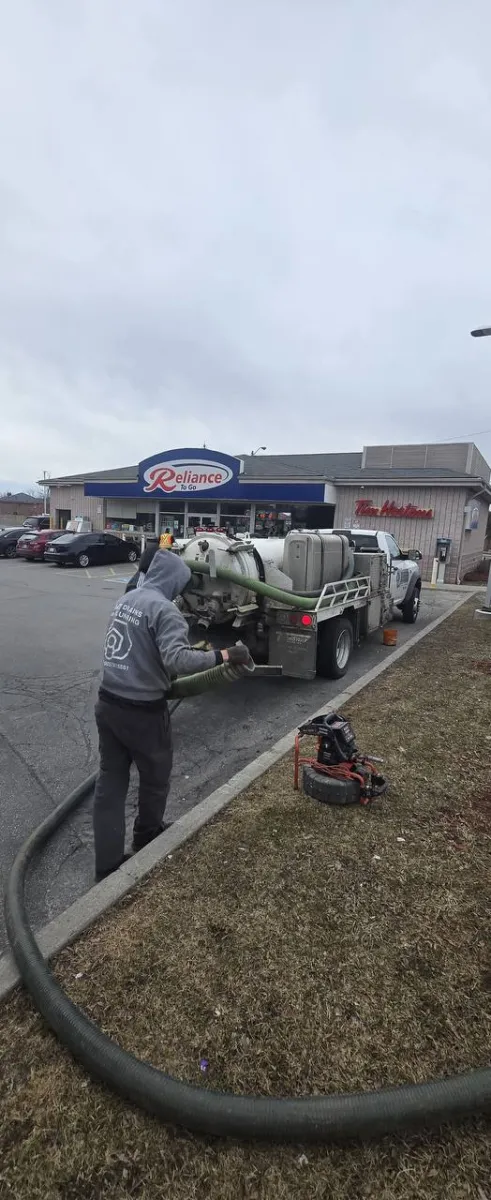
When Toronto homeowners think about flood prevention, basement waterproofing usually comes to mind first. While waterproofing is absolutely critical, true flood protection requires a comprehensive approach that includes proper drainage system maintenance — especially catch basin clearing.
Recent flooding events across the GTA have shown that even professionally waterproofed basements can flood when municipal and private drainage systems become overwhelmed or blocked. Here's why a complete flood prevention strategy must address both waterproofing and drainage maintenance.
The Two-Part Flood Prevention System
Effective flood prevention works on two levels:
- Source Control: Managing water before it reaches your property through proper drainage
- Property Protection: Waterproofing and interior systems to handle water that does reach your foundation
Think of it like wearing both a raincoat and carrying an umbrella — each provides protection, but together they're far more effective than either alone.
Toronto's Drainage Challenge
The Greater Toronto Area faces unique drainage challenges that make both waterproofing and catch basin maintenance essential:
- Aging Infrastructure: Many storm sewer systems date back decades and weren't designed for current development density
- Climate Change: More frequent intense rainfall events that can overwhelm drainage capacity
- Urban Development: Increased impermeable surfaces reduce natural water absorption
- Seasonal Debris: Fall leaves, winter sand, and spring thaw create regular blockage issues
Local Precipitation Data
Environment Canada data shows Toronto's changing rainfall patterns:
- Average Annual Precipitation: 831mm (up from 785mm in 1990s)
- Extreme Weather Events: 25% increase in rainfall events exceeding 25mm in 24 hours
- Storm Intensity: Peak rainfall rates have increased 15-20% over past two decades
- Flash Flood Risk: Urban areas can see 50mm+ rainfall in under 2 hours during severe storms
Why Catch Basin Maintenance Matters
Catch basins are the first line of defense in Toronto's storm water management system. When they become blocked, the results cascade through the entire drainage network:
Street Catch Basins (Municipal)
These collect water from roads and sidewalks, but homeowners play a role in keeping them clear:
- Debris Removal: Clear leaves, trash, and debris from grates near your property
- Winter Maintenance: Keep snow and ice from blocking drainage grates
- Reporting Issues: Contact 311 for blocked or damaged municipal catch basins
- Seasonal Checks: Inspect nearby catch basins after major storms
Private Catch Basins
Many Toronto properties have private catch basins that require regular homeowner maintenance:
- Driveway Drains: Clear debris from driveway and walkway drainage systems
- Yard Drains: Maintain French drains and yard drainage systems
- Downspout Connections: Ensure downspout discharge points remain clear
- Window Well Drains: Keep basement window well drainage systems functioning
The Cost of Neglected Drainage
Toronto homeowners who focus only on waterproofing while neglecting drainage maintenance face significant risks:
- Overwhelmed Systems: Even the best waterproofing can fail when drainage systems back up
- Surface Flooding: Blocked catch basins cause street flooding that can enter properties
- Increased Pressure: Poor drainage increases hydrostatic pressure against foundations
- Insurance Issues: Many policies require proof of proper maintenance for flood claims
Recent GTA Flooding Examples
The July 2013 and August 2018 floods in Toronto demonstrated how drainage system failures can overwhelm even well-protected properties:
- Overwhelmed Infrastructure: Storm sewers couldn't handle 100mm+ rainfall in short periods
- Catch Basin Failures: Blocked drains contributed to widespread street flooding
- Combined Impacts: Properties with both poor drainage and inadequate waterproofing suffered the worst damage
Creating Your Comprehensive Flood Prevention Plan
The most effective approach combines professional waterproofing with proactive drainage maintenance:
Professional Waterproofing Components
- Interior Systems: Sump pumps, interior drainage, and sealants for active water management
- Exterior Protection: Foundation waterproofing and exterior drainage for source control
- Specialized Equipment: Backwater valves and window well systems
- Regular Inspections: Annual professional assessments of waterproofing systems
Homeowner Drainage Maintenance
- Seasonal Cleaning: Clear catch basins and drains before spring thaw and after fall leaf drop
- Inspection Schedule: Check all drainage points monthly during wet seasons
- Immediate Action: Address blockages as soon as they're discovered
- Municipal Coordination: Report street drainage issues promptly to city authorities
Seasonal Maintenance Calendar
Spring (March-May)
- Clear winter debris from all catch basins and drains
- Inspect waterproofing systems after freeze-thaw cycles
- Test sump pump operation before heavy spring rains
- Check and clean eavestroughs and downspouts
Summer (June-August)
- Monitor drainage during storm events
- Clear storm debris promptly after severe weather
- Inspect and maintain yard drainage systems
- Schedule professional waterproofing maintenance
Fall (September-November)
- Clear leaves from all drainage systems weekly
- Prepare catch basins for winter conditions
- Inspect foundation for cracks before winter
- Ensure proper grading directs water away from foundation
Winter (December-February)
- Keep catch basins clear of snow and ice
- Monitor for ice dam formation
- Check basement for signs of moisture infiltration
- Plan spring maintenance and repairs
Signs Your Drainage System Needs Attention
Watch for these warning signs that indicate drainage problems:
- Standing Water: Pooling water around catch basins or on your property
- Slow Drainage: Water taking a long time to clear from drains
- Backup Issues: Water backing up from floor drains during heavy rain
- Unusual Odors: Sewer smells indicating possible drainage blockages
- Basement Moisture: Increased humidity or water stains despite waterproofing
Working with Professionals
While homeowners can handle basic catch basin maintenance, some tasks require professional expertise:
When to Call Professionals
- Major Blockages: Catch basins that won't clear with basic maintenance
- System Repairs: Damaged or collapsed drainage pipes
- Waterproofing Integration: Connecting drainage systems to waterproofing components
- Municipal Coordination: Issues requiring permits or city involvement
Choosing Qualified Contractors
- Dual Expertise: Companies experienced in both waterproofing and drainage
- Local Knowledge: Understanding of Toronto's specific drainage challenges
- Comprehensive Approach: Ability to assess and address both waterproofing and drainage issues
- Warranty Coverage: Protection for both waterproofing and drainage work
Municipal Resources and Responsibilities
Understanding the division between municipal and private responsibilities helps homeowners take appropriate action:
City of Toronto Responsibilities
- Street catch basins and storm sewers
- Major drainage infrastructure maintenance
- Storm water management system upgrades
- Emergency response during flood events
Homeowner Responsibilities
- Private catch basins and drainage systems
- Keeping municipal catch basins near property clear of debris
- Property grading and surface water management
- Foundation waterproofing and protection
For municipal drainage issues, contact 311. For private system problems, consult qualified drainage and waterproofing professionals.
The Bottom Line: Comprehensive Protection
Effective flood prevention requires both professional waterproofing and diligent drainage maintenance. Neither approach alone provides complete protection against Toronto's increasing flood risks.
By combining basement waterproofing with proper catch basin maintenance, Toronto homeowners create a comprehensive defense system that:
- Reduces the volume of water reaching foundation systems
- Provides backup protection when drainage systems become overwhelmed
- Minimizes the risk of catastrophic basement flooding
- Protects property value and reduces insurance risks
Don't wait for the next major storm to test your flood prevention measures. Assess both your waterproofing and drainage systems now, and take action to ensure both are ready to protect your home.
Remember: the best flood prevention strategy is the one that works before you need it. Invest in both waterproofing and drainage maintenance to keep your basement dry, regardless of what Toronto's weather brings.