Mon-Sat 9:00 AM - 5:00 PM
Transform unusable crawl spaces into functional basement areas with proper excavation and waterproofing.
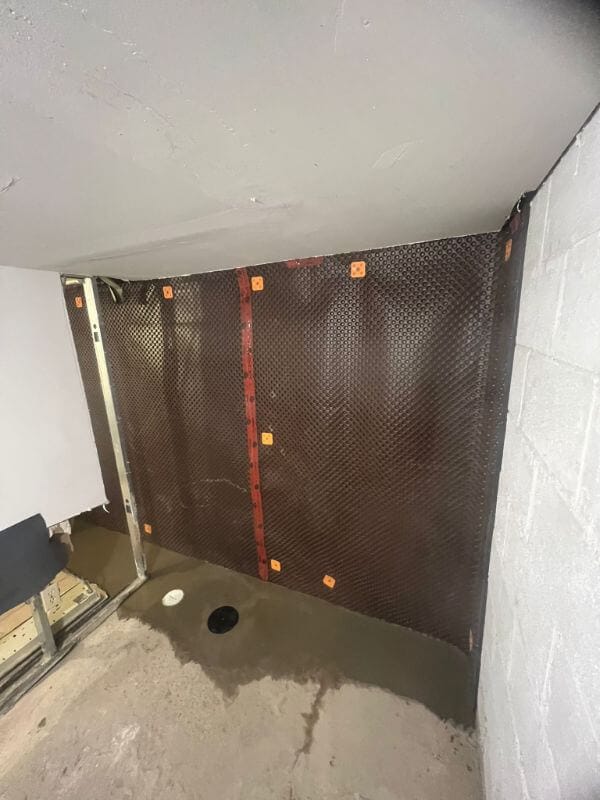
Crawl space conversion transforms the shallow, unusable space beneath your home into a full-height basement by excavating the soil, deepening the foundation, and waterproofing the new space. Many older Toronto homes — particularly bungalows and cottages built in the 1930s through 1960s — were constructed with crawl spaces of only 3 to 5 feet in height instead of full basements. These spaces are too low for storage, prone to moisture problems, and represent a significant amount of wasted potential square footage.
A professional crawl space conversion effectively doubles your home's usable area. A 900 square-foot bungalow with a crawl space gains a full 900 square-foot basement after conversion — enough for bedrooms, a family room, or a legal basement apartment. In Toronto's real estate market, where adding above-ground square footage often requires costly additions or is restricted by lot coverage bylaws, excavating downward is the most practical way to expand your living space.
Why Choose Us
Crawl space conversion is more complex than standard underpinning because the starting point is much shallower. Rather than lowering an existing basement floor by 2-3 feet, we're often excavating 4-6 feet of soil from beneath the house. The entire process must be done by hand in the confined space, with soil removed in buckets or by small conveyor systems. Heavy equipment cannot operate in a crawl space. This labour-intensive process is the primary cost driver — the concrete and waterproofing work is similar to standard underpinning, but the excavation takes significantly longer.
The structural approach follows the same engineered principles as underpinning: the existing foundation is extended deeper in alternating sections, with new reinforced concrete poured at each stage. A structural engineer designs the section sequence and specifies the reinforcement requirements based on your foundation type, soil conditions, and the depth increase needed. Every conversion requires a building permit from the City of Toronto and multiple inspections throughout construction.
Don't Ignore the Signs
Moisture management is especially critical in crawl space conversions because the original space was rarely waterproofed. Most crawl spaces have exposed dirt floors with no vapour barrier, no drainage, and often no ventilation. The conversion process includes installing a complete waterproofing system: membrane on the new foundation walls, weeping tile drainage connected to a sump pump, a vapour barrier beneath the new concrete floor slab, and proper ventilation or dehumidification. We treat it as a full basement build from a moisture perspective.
Toronto's clay soil adds a specific challenge to crawl space work. Clay holds moisture for extended periods after rainfall, creating sustained hydrostatic pressure against the new deeper walls. We design the drainage system to handle this persistent pressure — not just storm events, but the weeks of elevated soil moisture that follow. The weeping tile system and sump pump capacity are sized for Toronto clay conditions specifically.
The timeline for a crawl space conversion in Toronto is typically 6-12 weeks depending on the size of the space and the depth increase. The first 3-4 weeks are primarily excavation — removing soil by hand from the confined space. The remaining time covers the concrete work, waterproofing, and floor slab installation. Most homeowners can remain in the home during the work, though the main floor above the crawl space may experience vibration during excavation.
Costs for crawl space conversion reflect the labour-intensive nature of the work. Budget for $75,000-$200,000 depending on the area, depth, and soil conditions. While this is a significant investment, the return in added living space and property value is substantial in the Toronto market. A finished basement apartment alone can generate $1,500-$2,500 per month in rental income, and the added square footage increases your home's resale value considerably. We provide detailed engineering-based quotes after an initial site assessment.
Materials & Methods
Soil is removed manually from the confined crawl space using hand tools and conveyor or bucket removal systems. Heavy equipment cannot operate in the restricted space.
The existing foundation is deepened in engineered alternating sections with reinforced concrete, following the same safe methodology as standard underpinning.
Wall membrane, under-slab vapour barrier, perimeter weeping tile, and sump pump are installed as an integrated system designed for Toronto's clay soil conditions.
Our Process
A structural engineer evaluates the crawl space, soil conditions, and existing foundation to design the conversion with section sequences and reinforcement specifications.
Engineering drawings are submitted to the City of Toronto for building permit approval. We coordinate with inspectors throughout the project.
Soil is excavated by hand from the crawl space in the engineered section sequence, removed by bucket or conveyor, and the work area is prepared for concrete.
New reinforced concrete is poured in sections to extend the foundation to full basement depth, with curing time between sections.
Waterproof membrane, weeping tile drainage, sump pump, and vapour barrier are installed before the new concrete floor slab is poured.
Client Reviews
“Outstanding job! My basement is finally dry thanks to your team. No more musty smell or moisture problems. A+ service!”

“From the initial appointment to final inspection, service was exceptional. Prompt, professional, and results exceeded expectations.”

“Professional and friendly staff. They solved our leaky basement in no time. The results were fantastic. Basement has been leak-free since the work was done.”

Experience & Expertise
Related Solutions
Increase basement ceiling height and strengthen foundations with professional underpinning services.
Learn More →Complete foundation protection systems combining interior and exterior waterproofing methods.
Learn More →Complete interior drainage systems, sealants, and sump pumps to manage water that's already entering your basement.
Learn More →Service Areas
We provide crawl space conversion throughout Toronto and the Greater Toronto Area.
Common Questions