
By Pavel Sidorov, Building Renovator · April 16, 2026
Emergency Sump Pump Check Valve Failure in Mississauga - Why Annual Maintenance Could Have Prevented This Call
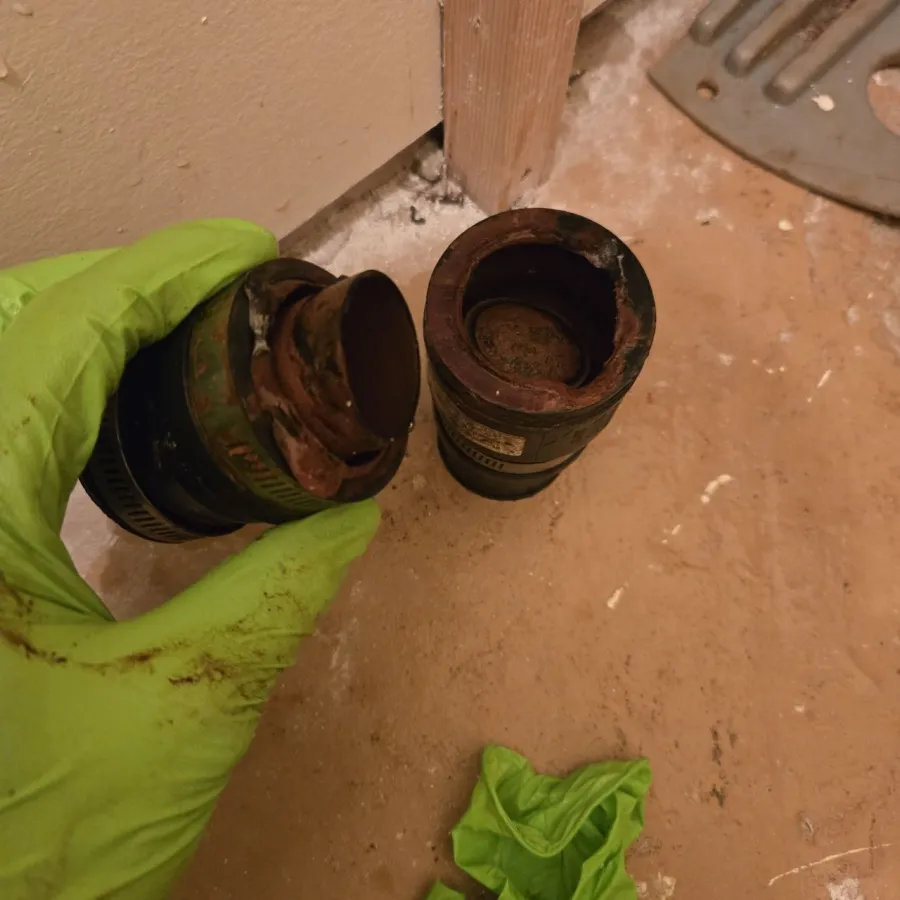
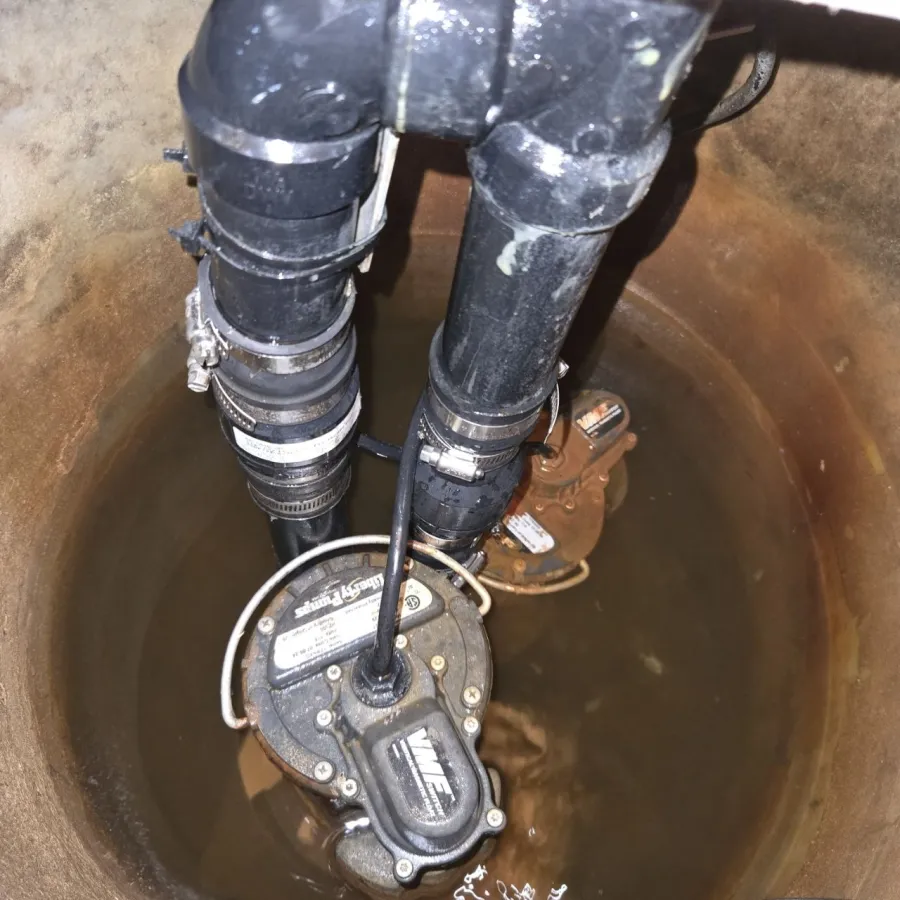
The phone rang at 8:30 AM on a Tuesday morning – an existing client in Mississauga with urgency in his voice: "My sump pump check valve is leaking water back into the basement. There's water pooling around the sump pit, and I'm worried about flooding."
This emergency call represents one of the most common – and preventable – sump pump failures we encounter. What started as a routine service relationship with this Mississauga homeowner had now become an urgent repair situation that could have been entirely avoided with proper annual maintenance.
Let me walk you through what happened during this emergency call, why the check valve failed, and most importantly, how this expensive repair and potential flooding disaster could have been prevented with simple annual sump pump maintenance.
The Emergency Call: Check Valve Failure in Action
When we arrived at the Mississauga home within two hours of the call, the situation was exactly as described. Water was slowly seeping back through the failed check valve, creating a persistent leak that was gradually filling the basement floor around the sump pit.
What We Found on Site
The scene told a clear story of neglected maintenance:
- Severe Corrosion: The check valve body showed extensive rust and deterioration
- Failed Seal: The internal flapper had warped, preventing proper closure
- Sediment Buildup: Debris had accumulated in the valve seat, compromising the seal
- System Strain: The sump pump was cycling more frequently due to backflow
- Water Damage Risk: Continuous seepage was creating moisture issues near the foundation
The homeowner admitted he hadn't had the system serviced in over three years, despite our previous recommendations for annual maintenance. This check valve failure was the predictable result of that deferred maintenance.
Understanding Check Valve Function and Failure
Before diving into the repair process, it's crucial to understand why check valves are essential components of any sump pump system and how they fail when not properly maintained.
What Check Valves Do
Check valves serve a critical function in sump pump systems:
- Prevent Backflow: Stop pumped water from flowing back into the sump pit
- Maintain Prime: Keep discharge piping filled with water for efficient operation
- Reduce Cycling: Prevent unnecessary pump starts caused by water return
- System Efficiency: Maintain proper pressure and flow in discharge lines
- Component Protection: Reduce wear on pump motor and impeller
Common Check Valve Failure Modes
Check valves fail in predictable ways when maintenance is neglected:
- Corrosion Failure: Metal components rust and weaken over time
- Seal Degradation: Rubber seals dry out, crack, or deform
- Debris Accumulation: Sediment prevents proper valve closure
- Mechanical Wear: Moving parts wear out from repeated cycling
- Freezing Damage: Ice formation can crack valve bodies or disable operation
In this Mississauga case, we were dealing with a combination of corrosion and seal failure – both entirely preventable with regular inspection and maintenance.
The Repair Process: Emergency Check Valve Replacement
With water actively leaking into the basement, this repair couldn't wait. Here's how we handled the emergency replacement:
Immediate Assessment and Isolation
Our first priority was stopping the water intrusion:
- System Shutdown: Temporarily disabled the sump pump to assess the situation safely
- Water Level Check: Verified the sump pit water level and pump activation points
- Discharge Line Inspection: Checked the entire discharge system for additional problems
- Backflow Documentation: Measured the volume of water returning to calculate system impact
Check Valve Removal and Analysis
Removing the failed check valve revealed the full extent of the problem:
- Advanced Corrosion: The valve body had developed pinhole leaks from rust
- Flapper Distortion: The internal flapper had warped beyond repair
- Sediment Contamination: Years of debris had built up in the valve seat
- Mounting Damage: Corrosion had compromised the threaded connections
This level of deterioration doesn't happen overnight – it's the result of years without proper maintenance and inspection.
System Upgrade and Replacement
Rather than simply replacing the failed component with an identical valve, we recommended upgrading to a more durable solution:
- Premium Check Valve: Installed a high-quality valve with corrosion-resistant materials
- Improved Design: Selected a model with better seal design and easier maintenance access
- System Cleaning: Thoroughly cleaned the discharge line to remove accumulated debris
- Performance Testing: Verified proper operation through multiple pump cycles
The Cost of Neglected Maintenance
This emergency repair came with costs that went far beyond the check valve replacement:
Direct Repair Costs
- Emergency Service Call: Premium pricing for urgent response
- Component Replacement: Higher-quality valve to prevent future failures
- Labor Costs: Extended repair time due to corrosion and debris
- System Cleaning: Additional work to restore proper function
Hidden Costs and Risks
- Water Damage: Seepage had created moisture issues requiring monitoring
- Efficiency Loss: Months of reduced system performance and higher cycling
- Pump Strain: Additional wear on the pump motor from continuous backflow
- Flood Risk: Potential for complete system failure during heavy rainfall
What Annual Maintenance Would Have Cost
The tragedy is that annual maintenance would have:
- Identified the Problem Early: Caught corrosion before failure occurred
- Prevented Emergency Costs: Routine replacement during scheduled service
- Maintained Efficiency: Kept the system operating at peak performance
- Extended Component Life: Proper maintenance doubles typical valve lifespan
The homeowner paid approximately three times more for this emergency repair than annual maintenance would have cost over the past three years.
Why Annual Sump Pump Maintenance is Non-Negotiable
This Mississauga emergency perfectly illustrates why we consider annual sump pump maintenance absolutely essential for every homeowner. The consequences of skipping maintenance are too severe to ignore.
The Maintenance vs. Failure Cycle
Sump pump systems follow a predictable pattern:
- Year 1-2: New systems operate reliably with minimal attention
- Year 3-5: Components begin showing wear; maintenance catches early problems
- Year 5+: Without maintenance, failure rates increase dramatically
- Emergency Phase: Deferred maintenance leads to catastrophic failures
Annual maintenance interrupts this cycle, catching problems in the early stages when they're inexpensive and easy to fix.
Toronto-Area Environmental Factors
The Greater Toronto Area's climate creates specific challenges that make maintenance even more critical:
- Freeze-Thaw Cycles: Winter conditions stress discharge piping and check valves
- Spring Flooding: Rapid snowmelt tests system capacity when reliability is crucial
- Summer Storms: Intense rainfall events require peak system performance
- Clay Soil Conditions: Toronto's clay soil retains moisture, increasing system workload
- Urban Infrastructure: City drainage issues can increase residential system stress
Comprehensive Annual Maintenance Checklist
Professional annual maintenance goes far beyond basic pump testing. Here's what comprehensive service should include:
Check Valve Inspection and Service
- Visual Inspection: Check for corrosion, cracks, or visible damage
- Operation Test: Verify proper closure and sealing function
- Cleaning: Remove debris and sediment from valve components
- Seal Assessment: Inspect gaskets and seals for wear or deterioration
- Performance Testing: Measure backflow prevention effectiveness
Pump Motor and Mechanical Components
- Motor Performance: Test amperage draw and operational efficiency
- Impeller Inspection: Check for clogs, damage, or wear
- Float Switch Testing: Verify proper activation and deactivation levels
- Vibration Analysis: Listen for unusual noises or excessive vibration
- Mounting Security: Ensure pump is properly secured and aligned
Sump Pit and Drainage System
- Pit Cleaning: Remove accumulated sediment, debris, and organic matter
- Liner Inspection: Check for cracks or damage that could affect function
- Drainage Connections: Verify proper connection to perimeter drainage tiles
- Water Level Testing: Confirm appropriate activation and deactivation points
- Cover Assessment: Inspect pit cover for proper fit and condition
Discharge System and Piping
- Pipe Inspection: Check for leaks, blockages, or damage
- Discharge Point: Verify water is directed well away from foundation
- Freeze Protection: Ensure proper insulation and drainage for winter
- Pressure Testing: Check system capacity and flow rates
- Emergency Overflow: Test backup drainage paths and emergency routes
Backup Systems and Safety Features
- Battery Backup Testing: Verify backup pump operation and battery condition
- Alarm Systems: Test high-water alarms and notification systems
- Power Supply: Check electrical connections and GFCI protection
- Emergency Procedures: Review homeowner emergency response plans
Warning Signs That Demand Immediate Attention
Between annual services, homeowners should watch for these warning signs that indicate immediate professional attention is needed:
Check Valve Specific Warning Signs
- Continuous Cycling: Pump runs frequently even when water levels are low
- Visible Backflow: Water level in sump pit rises after pump cycles
- Unusual Sounds: Gurgling, backflow sounds from discharge piping
- Reduced Efficiency: Pump takes longer to remove water than previously
- Visible Corrosion: Rust or deterioration on valve components
General System Warning Signs
- Pump Won't Start: No response when water level rises
- Motor Problems: Overheating, unusual noises, or erratic operation
- High Water Alarms: Backup systems activating more frequently
- Basement Humidity: Increased moisture levels despite pump operation
- Strange Odors: Musty or sewage smells from sump area
Seasonal Warning Signs
- Spring Startup Issues: System problems after winter dormancy
- Heavy Rain Performance: Inadequate response during storm events
- Winter Freezing: Discharge pipe freezing or ice formation
- Power Outage Recovery: Problems after electrical service restoration
The Economics of Preventive Maintenance
The financial case for annual maintenance is overwhelming when you consider the full costs of system failure:
Annual Maintenance Investment
- Professional Service: {{MAINTENANCE_COST}} annually for comprehensive inspection
- Component Replacement: Planned replacement of wear items during service
- System Optimization: Adjustments and improvements for peak performance
- Documentation: Written reports and maintenance records
Emergency Repair Costs
- Service Call Premium: Emergency service costs {{EMERGENCY_MULTIPLIER}} more than scheduled service
- Component Failure: Failed parts often require complete replacement vs. maintenance
- Secondary Damage: Water damage from system failures
- Extended Downtime: Emergency repairs may require multiple visits
Catastrophic Failure Costs
- Flood Damage: Basement flooding can cost {{FLOOD_DAMAGE_COST}}+ in restoration
- Property Damage: Destroyed belongings, flooring, and finished spaces
- Mold Remediation: Professional mold removal after water damage
- Insurance Issues: Many policies exclude groundwater flooding damage
Choosing Professional Maintenance Services
Not all maintenance services are created equal. Here's what to look for in professional sump pump maintenance:
Service Qualifications
- Licensed Contractors: Proper plumbing and waterproofing licenses
- Insurance Coverage: Liability and bonding protection for service work
- Local Experience: Knowledge of Toronto-area conditions and challenges
- Emergency Service: 24/7 availability for urgent repairs
- Manufacturer Training: Certified service for major pump brands
Comprehensive Service Offerings
- Complete Inspection: All components, not just basic pump testing
- Written Reports: Detailed documentation of findings and recommendations
- Component Replacement: On-site replacement of worn parts during service
- System Upgrades: Recommendations for performance improvements
- Follow-up Support: Ongoing monitoring and emergency response
Value-Added Services
- Seasonal Preparation: Spring startup and winter shutdown services
- Emergency Response: Priority service for existing maintenance customers
- Warranty Protection: Service maintains manufacturer warranty coverage
- System Documentation: Maintenance records for insurance and resale
DIY Maintenance vs. Professional Service
While homeowners can perform some basic maintenance tasks, professional service provides comprehensive protection that DIY approaches can't match:
Monthly DIY Tasks
- Operation Testing: Pour water into pit to test pump activation
- Visual Inspection: Look for obvious problems or damage
- Discharge Outlet: Ensure discharge point is clear and flowing
- Power Supply: Verify electrical connections are secure
- Backup Battery: Check battery charge level if equipped
Professional Service Advantages
- Specialized Tools: Equipment for performance testing and analysis
- Technical Expertise: Ability to identify subtle problems before they cause failures
- Component Access: Professional parts availability and installation capability
- Safety Protocols: Proper procedures for working with electrical and water systems
- Warranty Protection: Professional service maintains equipment warranties
Integrating Maintenance with Complete Waterproofing Systems
Sump pumps rarely operate in isolation – they're typically part of comprehensive basement waterproofing systems that require coordinated maintenance:
System Integration Points
- Perimeter Drainage: French drains and drainage tiles feeding the sump pit
- Foundation Waterproofing: Interior membrane systems directing water to drainage
- Backup Systems: Secondary pumps and emergency drainage paths
- Monitoring Systems: Alarms and remote monitoring integration
Coordinated Maintenance Benefits
- System Optimization: Ensuring all components work together effectively
- Problem Prevention: Identifying issues that could affect multiple systems
- Cost Efficiency: Combined service visits reduce overall maintenance costs
- Comprehensive Protection: Complete evaluation of all waterproofing systems
Seasonal Maintenance Considerations
Toronto's distinct seasons create specific maintenance requirements throughout the year:
Spring Preparation (March-April)
- Winter Damage Assessment: Check for freeze damage to components
- System Startup: Test operation after winter dormancy period
- Discharge Line Check: Ensure winter ice hasn't damaged piping
- Snowmelt Preparation: Verify system capacity for high water volume
Summer Monitoring (May-September)
- Peak Performance Period: Monitor operation during storm season
- Frequent Testing: Monthly operation tests during active season
- Backup System Verification: Ensure battery backups are functional
- Emergency Preparedness: Review storm response procedures
Fall Preparation (October-November)
- Debris Removal: Clear leaves and organic matter from discharge areas
- System Cleaning: Remove accumulated sediment from pit and components
- Winter Preparation: Inspect insulation and freeze protection measures
- Component Assessment: Evaluate wear from active season operation
Winter Monitoring (December-February)
- Freeze Prevention: Monitor discharge piping for ice formation
- Reduced Activity: Less frequent operation but continued monitoring
- Emergency Readiness: Maintain service availability for winter storms
- Planning Period: Schedule spring maintenance and system upgrades
Learning from This Mississauga Emergency
This emergency service call provides valuable lessons for all homeowners with sump pump systems:
Key Takeaways
- Maintenance is Insurance: Annual service prevents expensive emergency repairs
- Small Problems Become Big Problems: Minor issues escalate quickly without attention
- Emergency Service is Expensive: Preventive maintenance costs far less than emergency repairs
- System Integration Matters: All components need coordinated maintenance
- Professional Expertise is Essential: Trained technicians catch problems homeowners miss
Action Steps for Homeowners
- Schedule Annual Service: Don't wait for problems to develop
- Document System Information: Keep records of maintenance and repairs
- Monitor Warning Signs: Watch for early indicators of problems
- Emergency Preparedness: Have professional contacts readily available
- Insurance Review: Verify coverage for water damage scenarios
The Future of Sump Pump Maintenance
Technology is changing how we approach sump pump maintenance and monitoring:
Smart Monitoring Systems
- Remote Monitoring: Real-time system status and alerts
- Predictive Maintenance: Data analysis to predict component failures
- Performance Tracking: Historical data to optimize maintenance timing
- Emergency Notification: Instant alerts for system problems
Advanced Diagnostics
- Motor Analysis: Electrical signature analysis for motor health
- Flow Measurement: Precise pump performance monitoring
- Vibration Analysis: Early detection of mechanical problems
- Water Quality Monitoring: Detection of contamination or chemical issues
Conclusion: Don't Let This Happen to Your Home
This Mississauga homeowner's emergency call could have been entirely avoided with proper annual maintenance. A simple check valve inspection during routine service would have identified the corrosion and seal degradation months before failure occurred.
The cost difference is striking:
- Annual Maintenance: {{ANNUAL_MAINTENANCE_COST}} per year
- Emergency Repair: {{EMERGENCY_REPAIR_COST}} plus water damage risk
- Potential Flood Damage: {{FLOOD_DAMAGE_RANGE}} in restoration costs
More importantly, this wasn't just about money – it was about the stress, disruption, and potential health hazards that come with basement flooding. Annual maintenance provides peace of mind that your family and property are protected.
Your Next Steps
Don't wait for your own emergency call. Take action now to protect your Toronto-area home:
- Schedule Professional Inspection: Have your system evaluated by qualified technicians
- Address Any Issues: Fix problems while they're still small and inexpensive
- Establish Annual Service: Set up recurring maintenance to prevent future emergencies
- Document Everything: Keep records for warranty, insurance, and resale purposes
- Prepare for Emergencies: Have professional contacts and emergency plans ready
This Mississauga emergency represents a choice every homeowner with a sump pump system faces: invest in preventive maintenance or risk expensive emergency repairs and potential flooding. The smart choice is clear.
Don't let deferred maintenance turn your reliable sump pump system into an emergency waiting to happen. Contact us today to schedule your annual maintenance and protect your home with the reliability it deserves.