
January 8, 2025
Mount Albert Residential Exterior Waterproofing Project
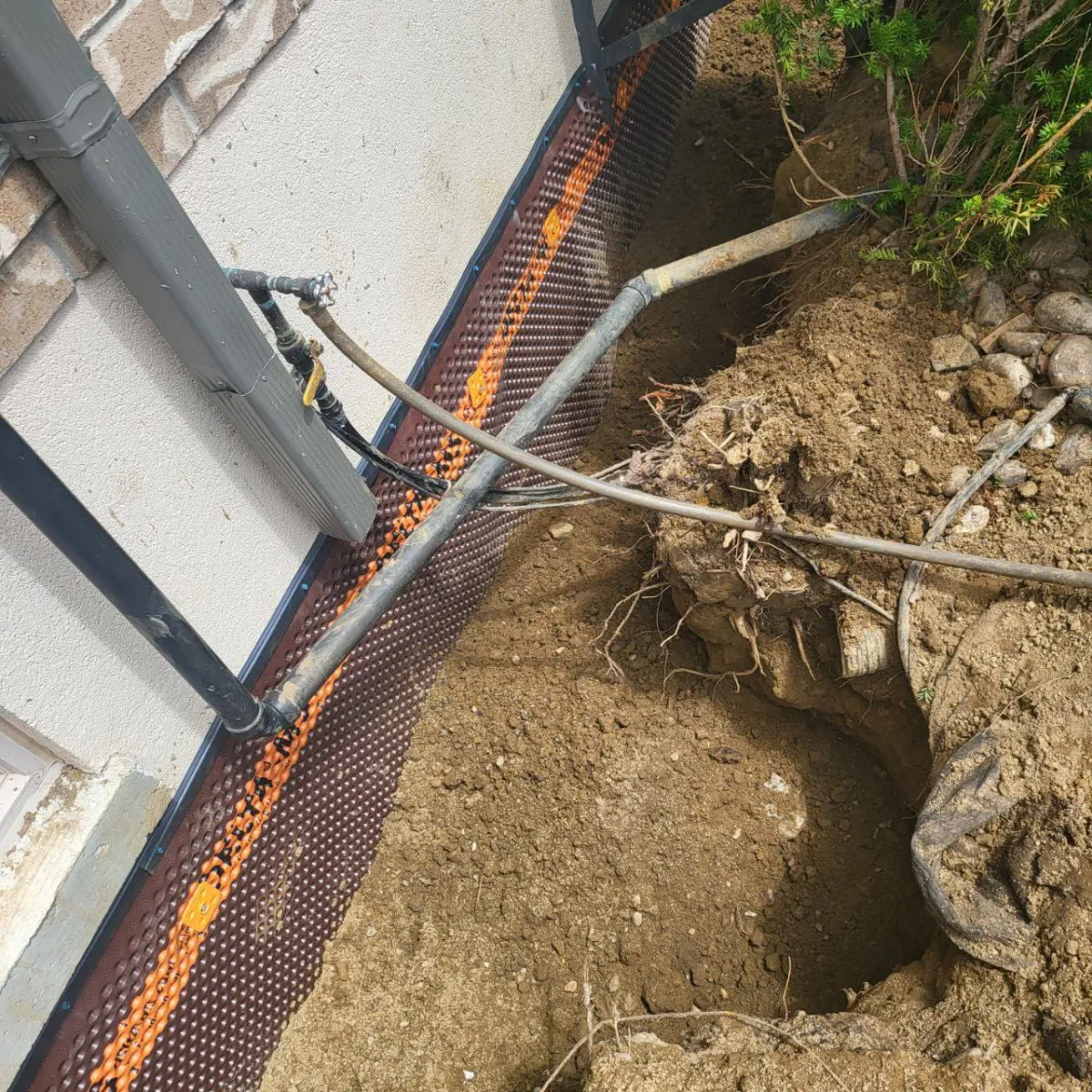
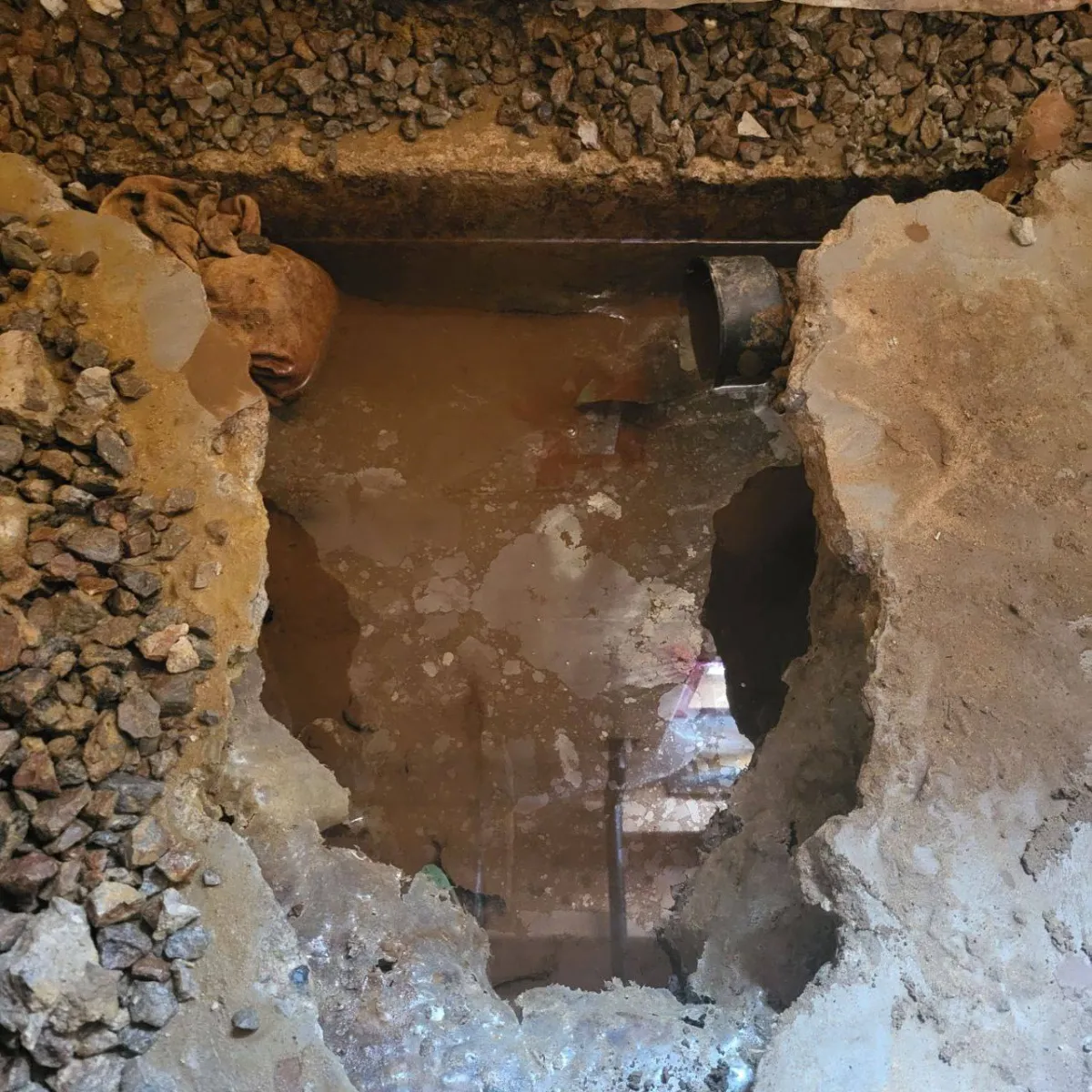
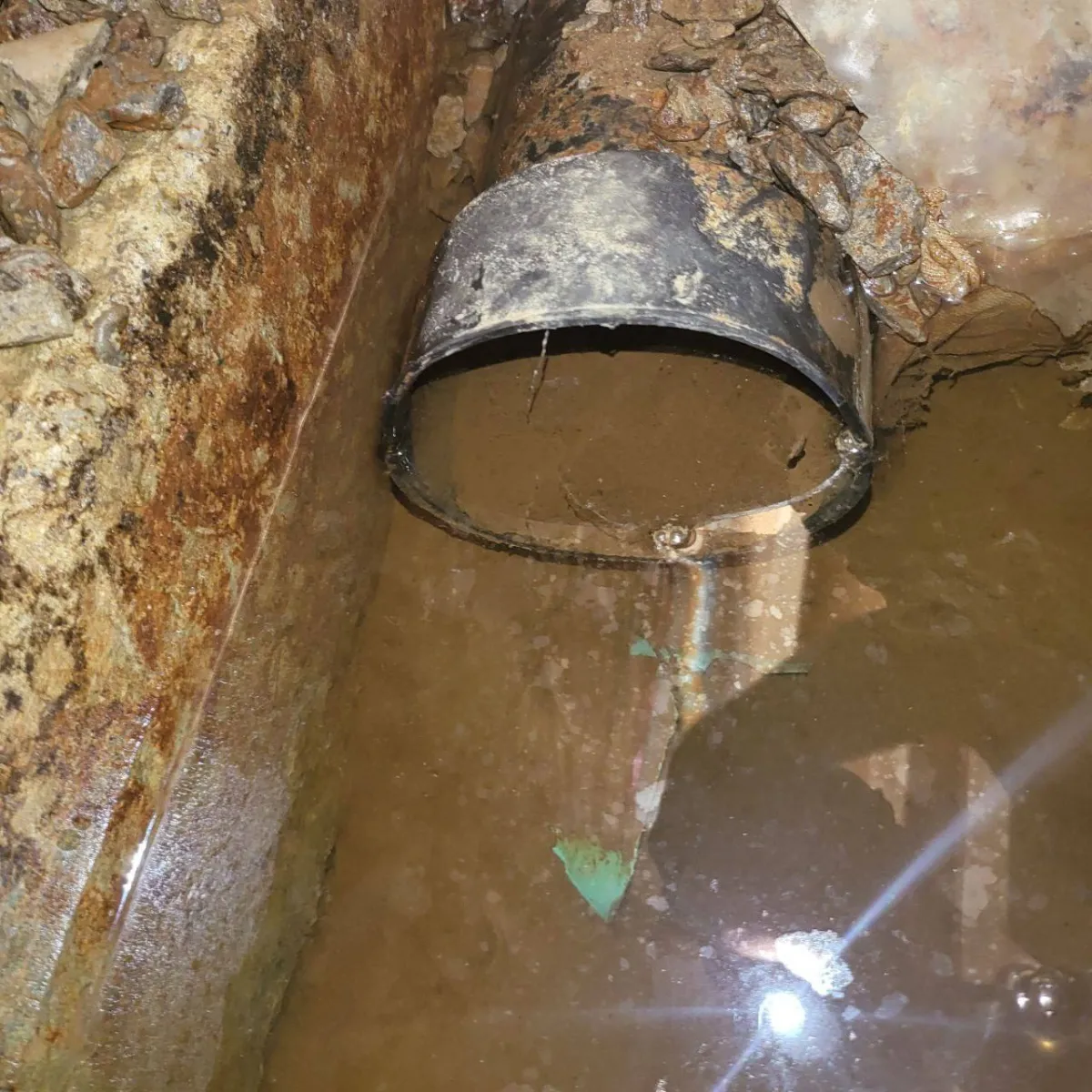
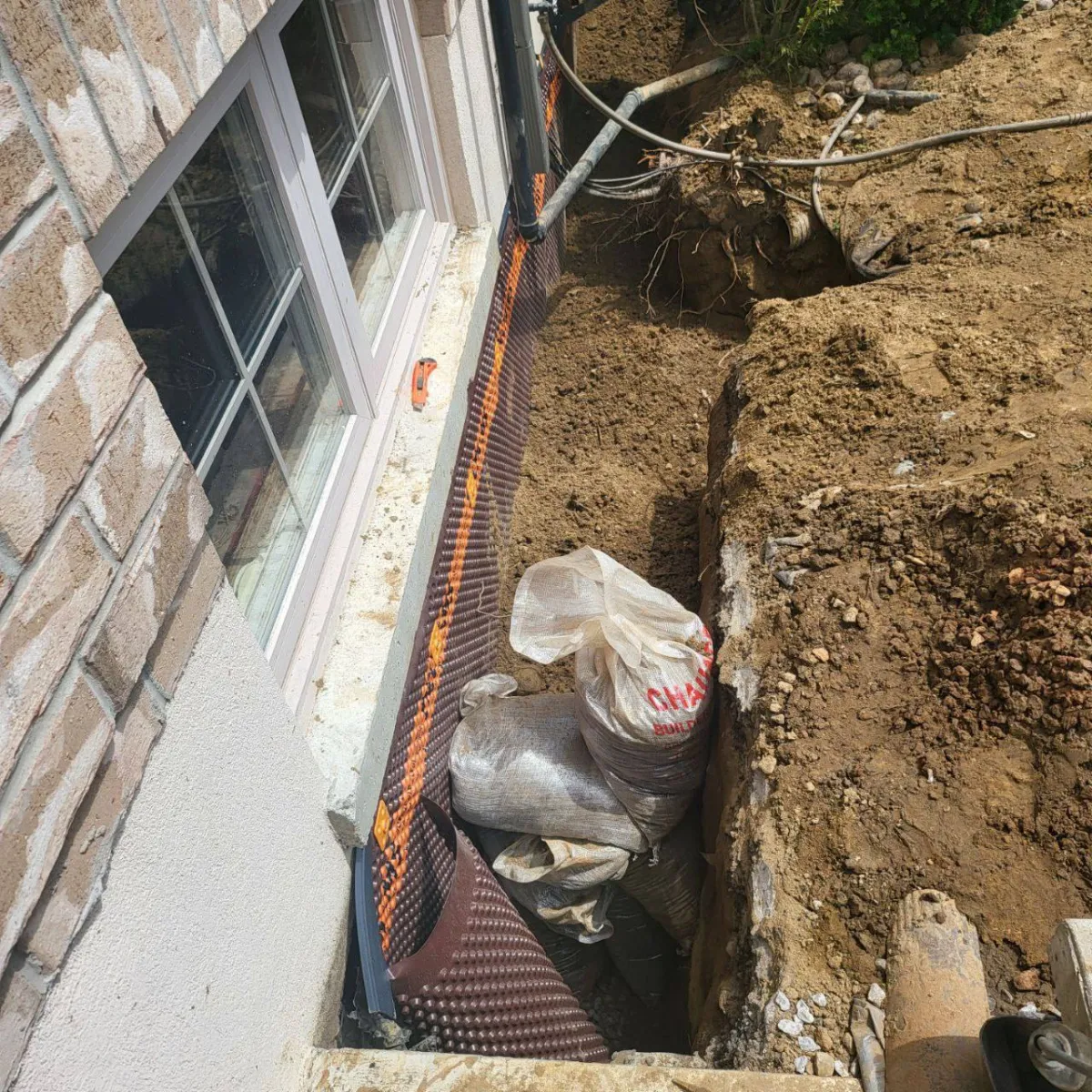
Project: Residential Exterior Basement Waterproofing
Location: Mount Albert, East Gwillimbury, Ontario
Duration: 4 days
Service: Exterior Basement Waterproofing
Our team successfully completed another comprehensive exterior waterproofing project in Mount Albert, addressing the specific challenges that homeowners in this East Gwillimbury community face due to the area's unique geological conditions.
Mount Albert: Challenging Waterproofing Conditions
Mount Albert, located in the Holland River watershed of East Gwillimbury, presents unique challenges for basement waterproofing due to its specific geographical and geological characteristics:
- Clay Soil Composition: The area sits on heavy clay deposits left by glacial Lake Algonquin, creating virtually impermeable soil conditions
- High Water Table: Proximity to the Holland River and extensive wetland systems keeps groundwater levels elevated year-round
- Topographical Challenges: The area's relatively flat terrain (elevation 220-240m) causes slow surface water drainage
- Seasonal Water Fluctuations: Spring snowmelt from the Oak Ridges Moraine causes significant groundwater level changes
Local Climate and Soil Data
Mount Albert's waterproofing challenges are compounded by specific local conditions:
- Annual Precipitation: 820mm average, with 65% falling during April-October growing season
- Soil Permeability: Local clay has extremely low permeability (0.001-0.01 cm/hour)
- Frost Depth: Ground freezes to 1.2-1.5 meters depth, causing significant foundation movement
- Water Table: Varies seasonally from 0.5-2.5 meters below grade
- Drainage Coefficient: Clay soil drainage coefficient of 0.1-0.2 (poor drainage)
The Challenge
This Mount Albert homeowner contacted us after experiencing persistent basement water infiltration during spring thaw periods. The home, constructed in the early 2000s, had original builder-grade waterproofing that proved inadequate for the area's challenging conditions.
Key issues identified:
- Failed original damp-proofing system unable to handle hydrostatic pressure from clay soil
- Inadequate foundation drainage causing water accumulation against walls
- Settlement cracks in foundation from clay soil movement during freeze-thaw cycles
- Poor lot grading directing surface runoff toward foundation
- Deteriorated weeping tile system clogged with clay particles
Our Comprehensive Solution Process
We designed an exterior waterproofing system specifically engineered for Mount Albert's clay soil conditions and high groundwater environment.
Day 1: Site Preparation and Excavation
- Utility Clearance: Contacted Ontario One Call for underground utility locations and obtained East Gwillimbury permits
- Site Protection: Established protective barriers around existing landscaping and mature trees
- Clay Excavation: Used specialized equipment for controlled excavation through challenging clay soil conditions
- Soil Management: Properly segregated clay subsoil and topsoil for restoration
- Dewatering System: Installed temporary sump system due to high groundwater infiltration
Day 2: Foundation Preparation
- Complete Exposure: Excavated foundation walls to full depth exposing footing level
- Wall Cleaning: High-pressure washing to remove all clay residue and old coatings
- Crack Assessment: Identified and marked all foundation cracks and imperfections
- Crack Repair: Injected flexible polyurethane compound into all foundation cracks
- Surface Preparation: Applied foundation primer for optimal membrane adhesion
Day 3: Waterproofing Installation
- Membrane Application: Installed self-adhering rubberized asphalt membrane system
- Seam Sealing: Properly overlapped and sealed all membrane joints
- Penetration Sealing: Sealed around all foundation penetrations and irregularities
- Protection Board: Installed rigid insulation board to protect membrane during backfill
- Quality Check: Inspected entire membrane system for continuity and proper adhesion
Day 4: Drainage System and Restoration
- Weeping Tile Installation: Placed new 4-inch perforated drainage pipe around foundation perimeter
- Drainage Bed: Installed clean stone drainage bed sized for clay soil conditions
- Filter Protection: Applied geotextile fabric to prevent clay infiltration into drainage system
- Strategic Backfilling: Backfilled with engineered fill in controlled lifts with proper compaction
- Final Grading: Established positive drainage slope away from foundation
- Site Restoration: Prepared area for new landscaping and restored access areas
Materials and Specifications
- Waterproofing Membrane: 60-mil self-adhering modified bitumen membrane with rubberized asphalt
- Protection System: 2-inch extruded polystyrene rigid insulation board
- Drainage Pipe: 4-inch Big-O perforated ABS pipe with filter sock
- Drainage Aggregate: 19mm clear stone meeting OPSS 1003 specifications
- Filter Fabric: Non-woven geotextile fabric (140g/m²)
- Sealants: Flexible polyurethane injection compound for crack repair
- Backfill Material: Engineered granular fill suitable for clay soil conditions
Mount Albert-Specific Engineering
Our installation addressed the unique conditions of Mount Albert's clay soil environment:
- Enhanced Drainage Design: Oversized drainage system to handle clay soil's poor permeability
- Flexible Membrane System: Membrane selected for ability to accommodate clay soil movement
- Pressure Relief: Drainage system designed to relieve hydrostatic pressure buildup
- Freeze Protection: Insulation board prevents freeze damage to waterproofing system
- Long-term Durability: Materials selected for 25+ year service life in clay soil conditions
Results and Long-Term Benefits
The completed exterior waterproofing system provides comprehensive protection specifically designed for Mount Albert's challenging conditions:
- Complete Water Barrier: Full-perimeter protection against hydrostatic pressure from clay soil
- Superior Drainage: New weeping tile system effectively manages groundwater and surface water
- Thermal Efficiency: Insulation board reduces heat loss and prevents thermal bridging
- Structural Protection: Reduces freeze-thaw damage and foundation movement
- Property Value Enhancement: Professional exterior waterproofing significantly increases home value
- Warranty Protection: 25-year transferable warranty on complete waterproofing system
Why Exterior Waterproofing is Essential in Mount Albert
For Mount Albert's specific clay soil and groundwater conditions, exterior waterproofing provides the most effective long-term solution:
- Hydrostatic Pressure Management: Prevents pressure buildup that clay soil creates against foundations
- Source Water Control: Intercepts water before it can reach foundation walls
- Clay Soil Compatibility: Designed to work with, rather than against, clay soil characteristics
- Seasonal Adaptability: Handles Mount Albert's significant seasonal groundwater variations
- Comprehensive Protection: Addresses both groundwater infiltration and surface water management
The homeowner now enjoys complete confidence in their basement's dryness, regardless of Mount Albert's challenging seasonal water conditions. Our exterior waterproofing system is specifically engineered to provide decades of reliable protection against the area's unique clay soil and high groundwater challenges.
This project demonstrates our expertise in handling the specific waterproofing challenges that Mount Albert and East Gwillimbury homeowners face, combining local knowledge with proven engineering solutions.